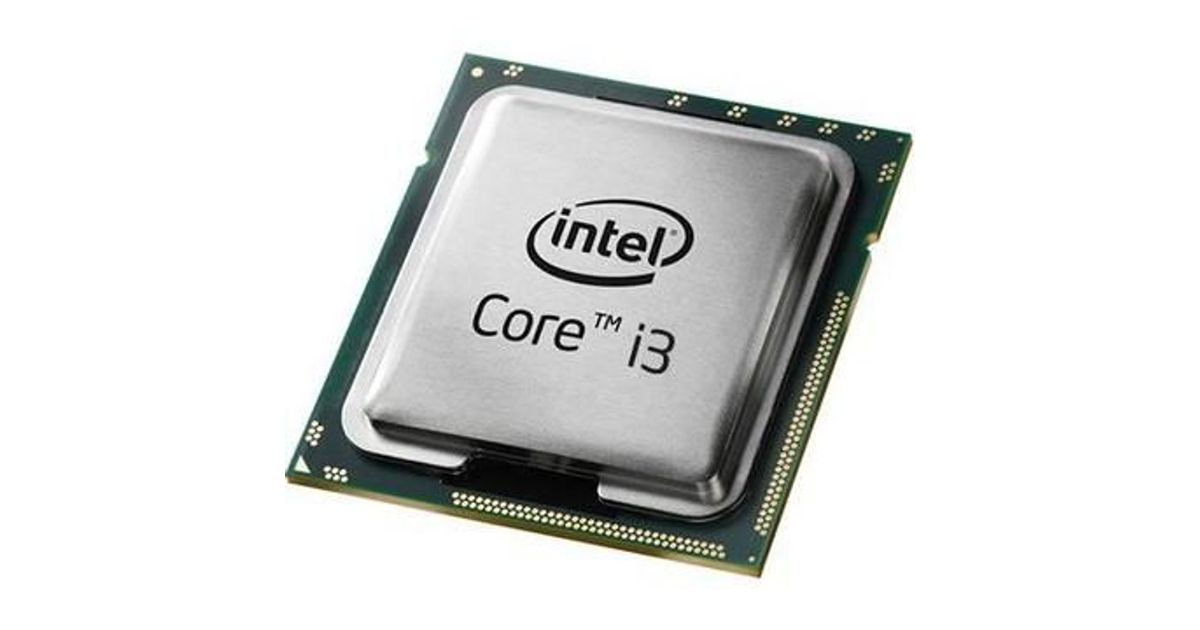
For illustrative purpose only
Acer Intel Core i3-2370M processor 2.4 GHz 3 MB L3
Acer Intel Core i3-2370M, Intel® Core™ i3, PGA988, 32 nm, i3-2370M, 2.4 GHz, 64-bit
Read more...
Read more...
Product Information
| Information | |
|---|---|
| Manufacturer | Acer |
| Product code | 228634261 |
| Manufacturer part number | KC.23701.DMP |
| Category | Protsessorid |
| Processor | |
|---|---|
| Processor family | Intel® Core™ i3 |
| Processor cores | 2 |
| Processor socket | PGA988 |
| Processor lithography | 32 nm |
| Box | N |
| Processor model | i3-2370M |
| Processor base frequency | 2.4 GHz |
| Processor operating modes | 64-bit |
| Processor generation | 2nd gen Intel® Core™ i3 |
| Processor threads | 4 |
| System bus rate | 5 GT/s |
| Processor cache | 3 MB |
| Processor cache type | L3 |
| L3 cache speed | 2.4 GHz |
| Thermal Design Power (TDP) | 35 W |
| Stepping | J1 |
| Bus type | DMI |
| Memory bandwidth supported by processor (max) | 21.3 GB/s |
| Processor code | SR0DP |
| Maximum internal memory supported by processor | 16 GB |
| Maximum number of PCI Express lanes | 16 |
| PCI Express slots version | 2.0 |
| PCI Express configurations | 1x16, 2x8, 1x8+2x4 |
| Tjunction | 85 °C |
| Design | |
|---|---|
| Component for | Notebook |
| Memory | |
|---|---|
| Memory channels | Dual-channel |
| Memory types supported by processor | DDR3-SDRAM |
| Memory clock speeds supported by processor | 1066,1333 MHz |
| ECC | N |
| Graphics | |
|---|---|
| On-board graphics adapter | Y |
| On-board graphics adapter model | Intel® HD Graphics 3000 |
| On-board graphics adapter base frequency | 650 MHz |
| On-board graphics adapter dynamic frequency (max) | 1150 MHz |
| Number of displays supported (on-board graphics) | 2 |
| Processor special features | |
|---|---|
| Execute Disable Bit | Y |
| Idle States | Y |
| Thermal Monitoring Technologies | Y |
| Supported instruction sets | AVX |
| CPU configuration (max) | 1 |
| Graphics & IMC lithography | 32 nm |
| Intel® Anti-Theft Technology (Intel® AT) | Y |
| Intel® Hyper Threading Technology (Intel® HT Technology) | Y |
| Intel® Identity Protection Technology (Intel® IPT) | Y |
| Intel® My WiFi Technology (Intel® MWT) | Y |
| Intel® Quick Sync Video Technology | Y |
| Intel® InTru™ 3D Technology | Y |
| Intel® Wireless Display (Intel® WiDi) | Y |
| Intel FDI Technology | Y |
| Intel® Clear Video HD Technology (Intel® CVT HD) | Y |
| Intel Fast Memory Access | Y |
| Intel Flex Memory Access | Y |
| Intel® Smart Cache | Y |
| Enhanced Intel SpeedStep Technology | Y |
| Intel VT-x with Extended Page Tables (EPT) | Y |
| Intel Virtualization Technology (VT-x) | Y |
| Processor package size | 37.5 mm |
| Intel® Virtualization Technology (Intel® VT) | VT-x |
| Features | |
|---|---|
| Market segment | Mobile |
Product Description
Instruction Set
An instruction set refers to the basic set of commands and instructions that a microprocessor understands and can carry out. The value shown represents which Intel’s instruction set this processor is compatible with.
Instruction Set Extensions
Instruction Set Extensions are additional instructions which can increase performance when the same operations are performed on multiple data objects. These can include SSE (Streaming SIMD Extensions) and AVX (Advanced Vector Extensions).
Lithography
Lithography refers to the semiconductor technology used to manufacture an integrated circuit, and is reported in nanometer (nm), indicative of the size of features built on the semiconductor.
Processor Base Frequency
Processor Base Frequency describes the rate at which the processor's transistors open and close. The processor base frequency is the operating point where TDP is defined. Frequency is measured in gigahertz (GHz), or billion cycles per second.
TDP
Thermal Design Power (TDP) represents the average power, in watts, the processor dissipates when operating at Base Frequency with all cores active under an Intel-defined, high-complexity workload. Refer to Datasheet for thermal solution requirements.
An instruction set refers to the basic set of commands and instructions that a microprocessor understands and can carry out. The value shown represents which Intel’s instruction set this processor is compatible with.
Instruction Set Extensions
Instruction Set Extensions are additional instructions which can increase performance when the same operations are performed on multiple data objects. These can include SSE (Streaming SIMD Extensions) and AVX (Advanced Vector Extensions).
Lithography
Lithography refers to the semiconductor technology used to manufacture an integrated circuit, and is reported in nanometer (nm), indicative of the size of features built on the semiconductor.
Processor Base Frequency
Processor Base Frequency describes the rate at which the processor's transistors open and close. The processor base frequency is the operating point where TDP is defined. Frequency is measured in gigahertz (GHz), or billion cycles per second.
TDP
Thermal Design Power (TDP) represents the average power, in watts, the processor dissipates when operating at Base Frequency with all cores active under an Intel-defined, high-complexity workload. Refer to Datasheet for thermal solution requirements.