Toote tegelik värvus võib erineda piltidel kujutatavast ning pildid on
illustratiivsed.
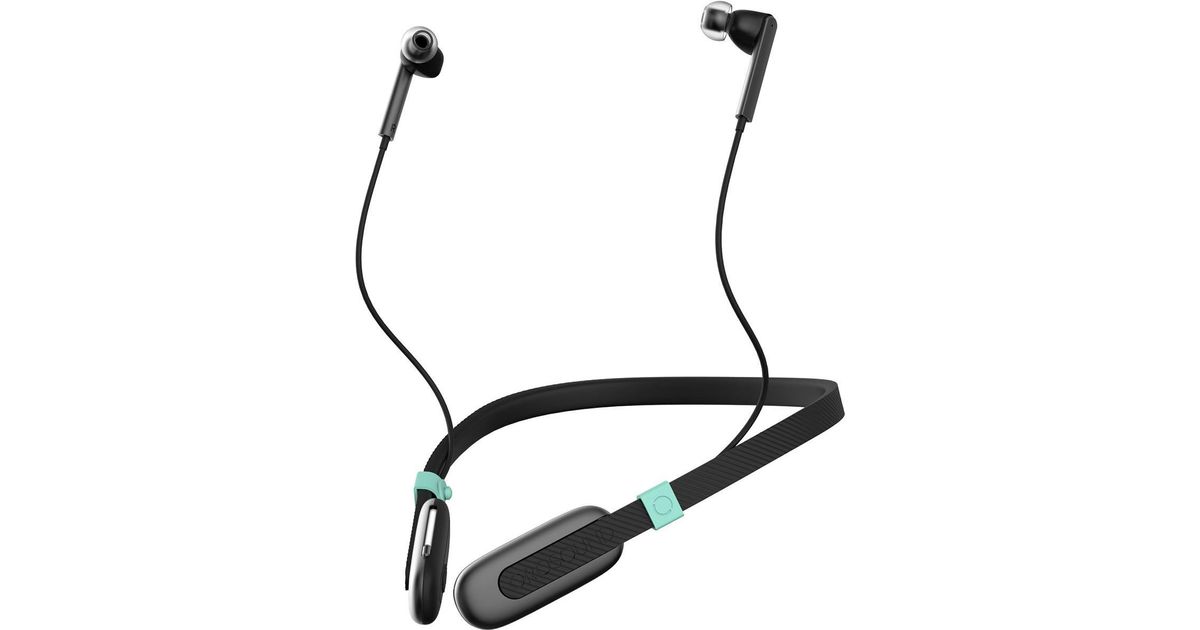
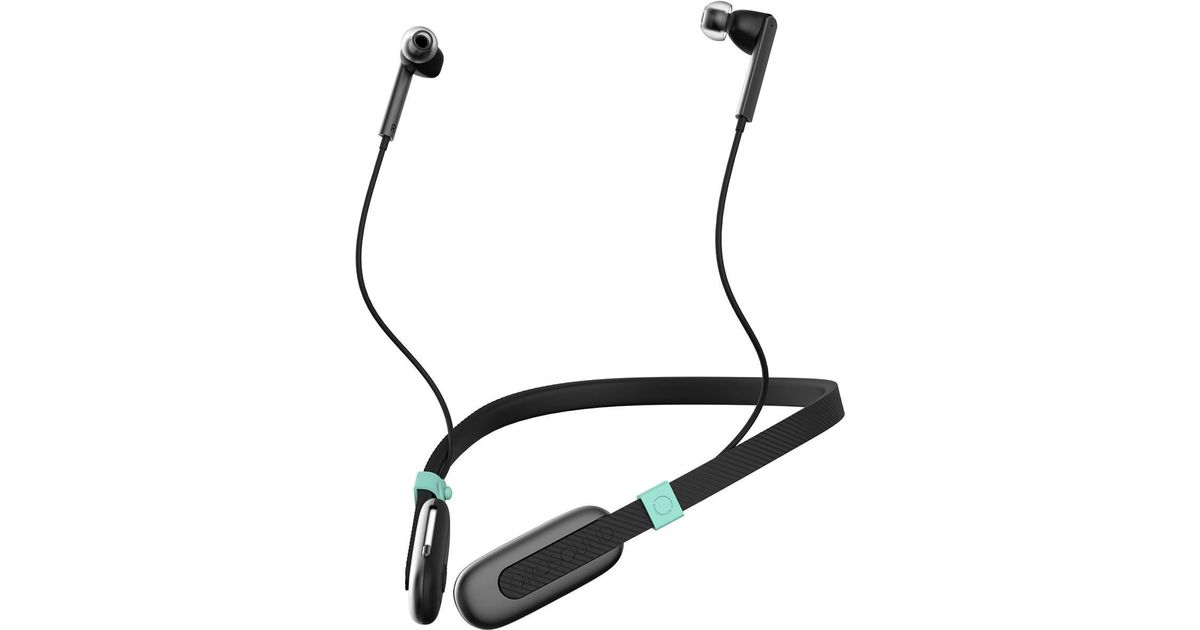
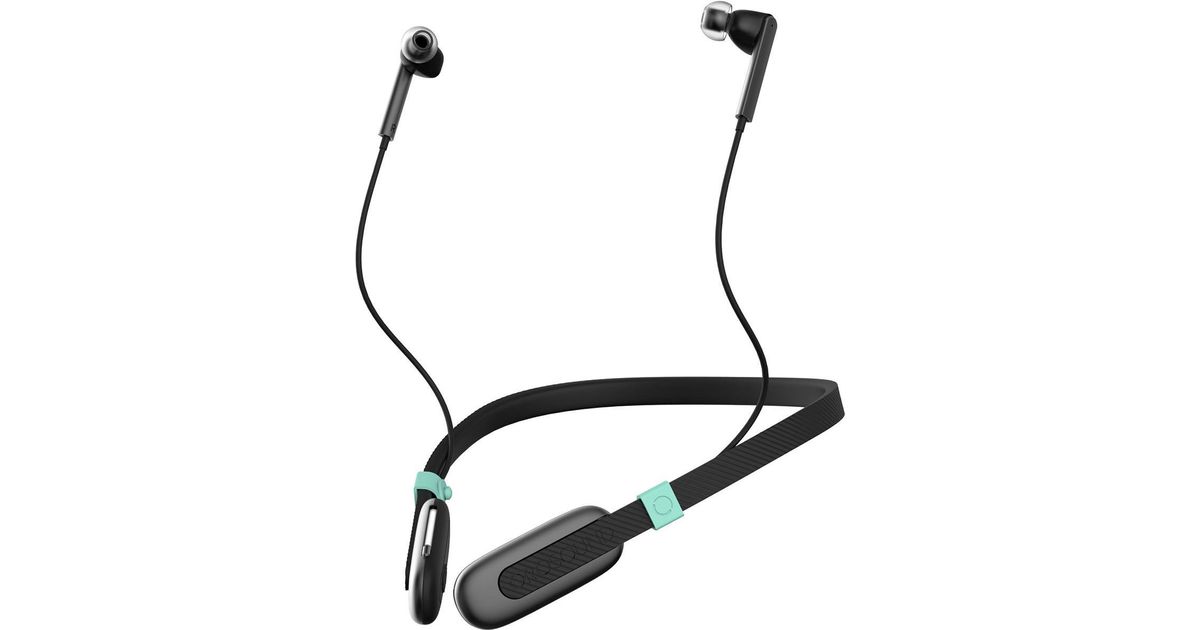
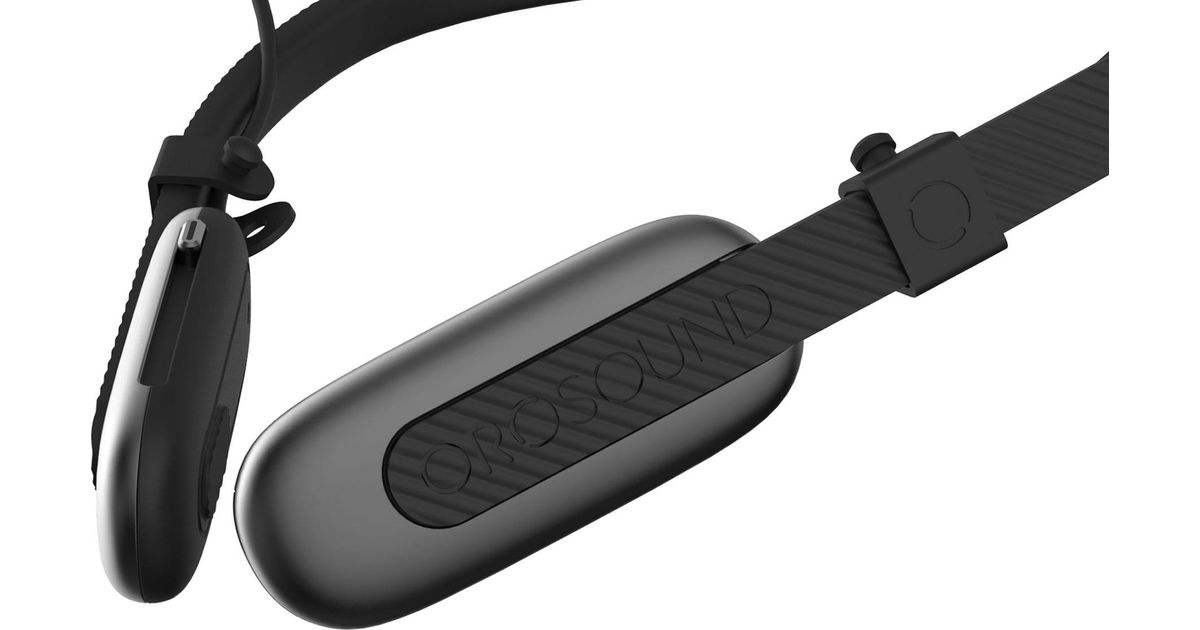
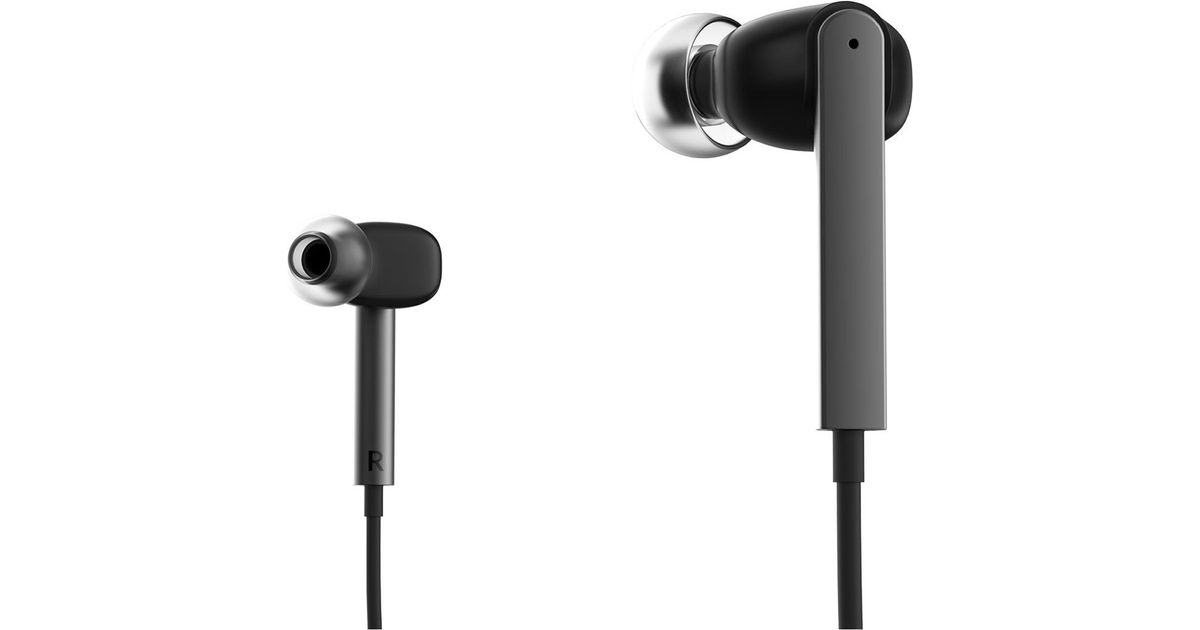
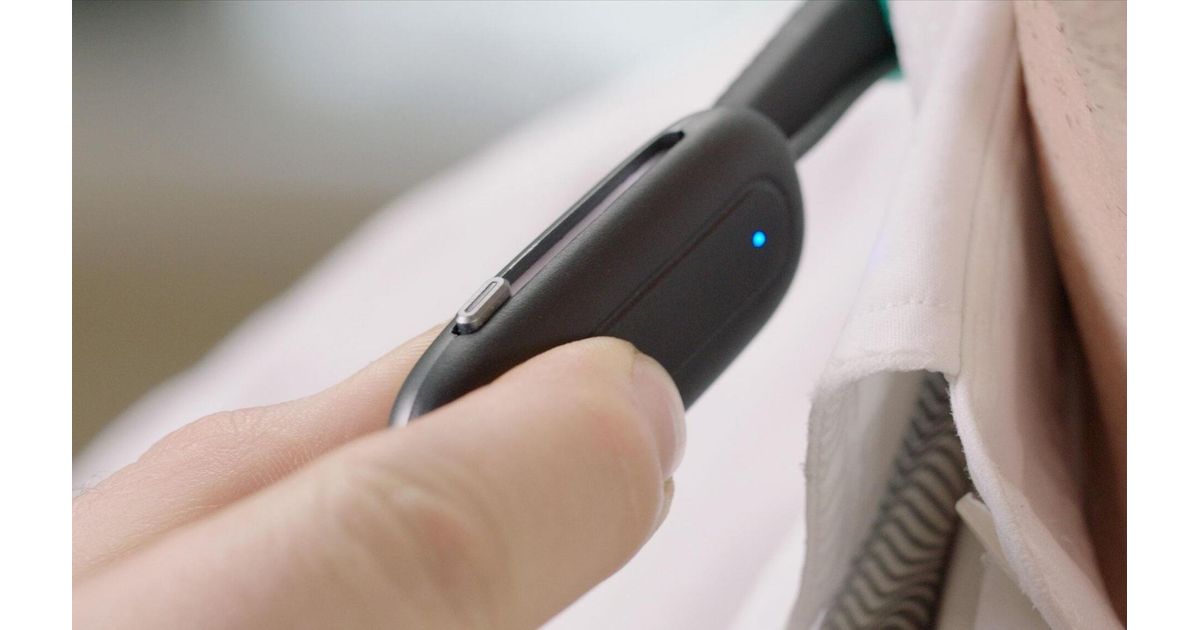
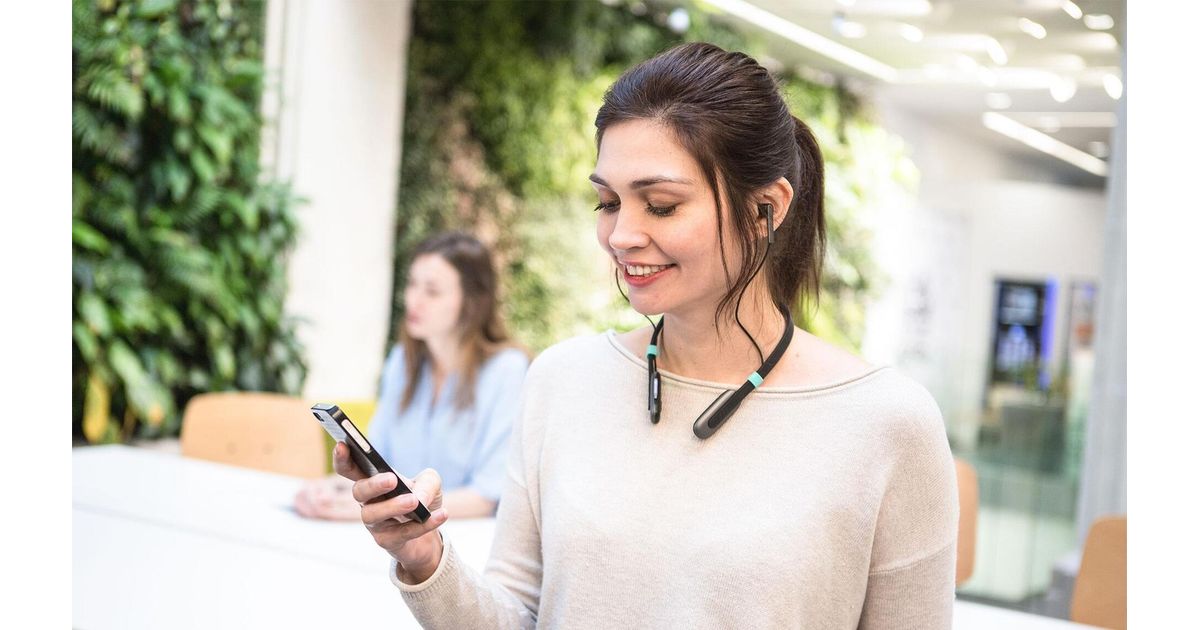
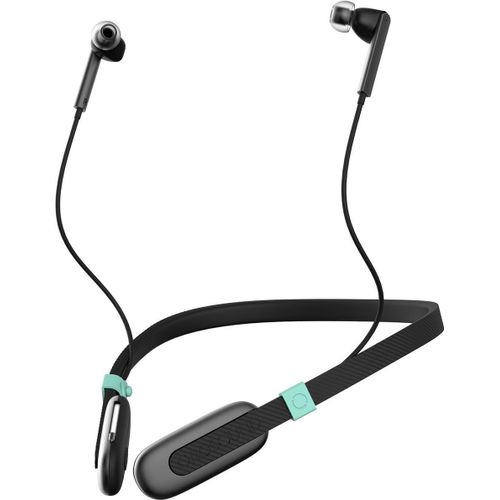
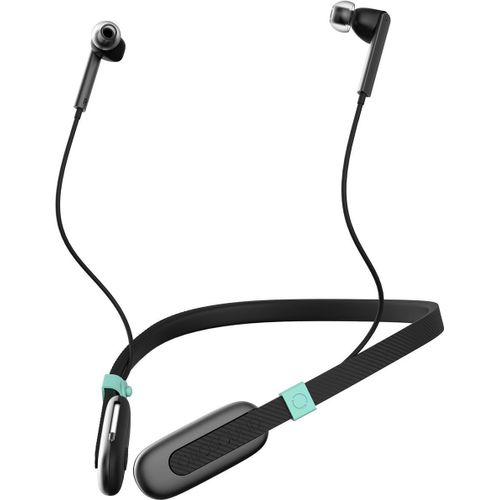
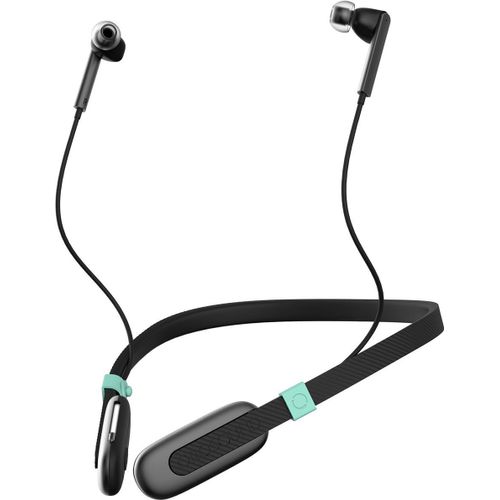
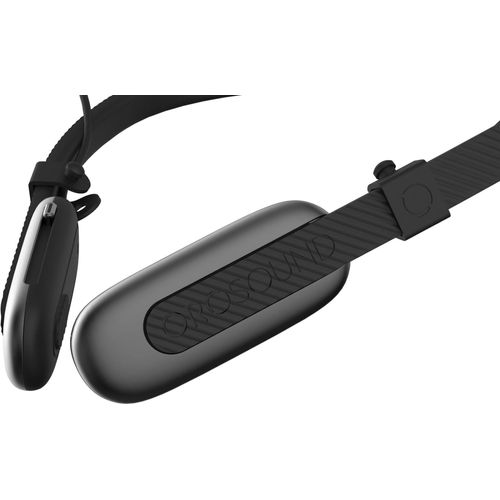
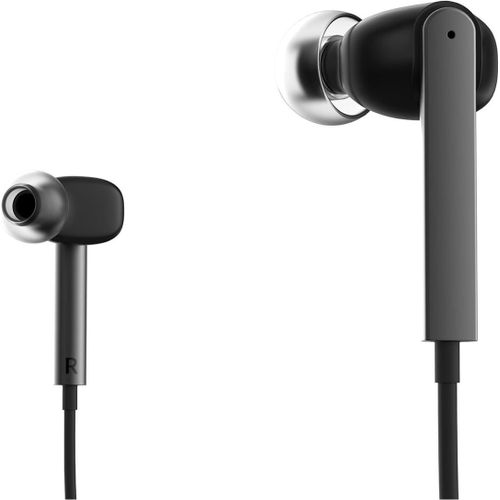
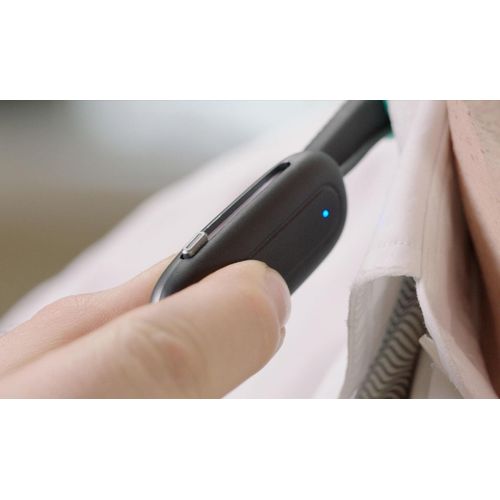
BakkerElkhuizen Tilde Air Premium Headset Neck-band Bluetooth Black
BakkerElkhuizen Tilde Air Premium, Headset, Neck-band, Office/Call center, Black, Binaural, Wireless
Read more...
Read more...
Product Information
| Information | |
|---|---|
| Manufacturer | BakkerElkhuizen |
| Product code | 163461600 |
| EAN | 08719274673668 |
| Manufacturer part number | BNETNCHBT |
| Category | Bluetooth heaphones |
| Design | |
|---|---|
| Product type | Headset |
| Product colour | Black |
| Performance | |
|---|---|
| Wearing style | Neck-band |
| Headset type | Binaural |
| Mouse | |
|---|---|
| Recommended usage | Office/Call center |
| Network | |
|---|---|
| Works with the Google Assistant | Y |
| Bluetooth | Y |
| Bluetooth version | 4.2 |
| Keyboard | |
|---|---|
| Connectivity technology | Wireless |
| Ports & interfaces | |
|---|---|
| 3.5 mm connector | N |
| Other features | |
|---|---|
| USB connectivity | N |
| Headphones | |
|---|---|
| Ear coupling | Intraaural |
| Noise reduction | Y |
| Noise reduction type | Active |
| Microphone | |
|---|---|
| Noise-canceling | Y |
| Audio | |
|---|---|
| Number of microphones | 4 |
| Battery | |
|---|---|
| Battery operated | Y |
| Battery life (max) | 12 h |
| Battery recharge time | 2 h |
| Power | |
|---|---|
| Battery type | Built-in battery |
| Charging source | USB |
| Weight & dimensions | |
|---|---|
| Width | 140 mm |
| Depth | 23 mm |
| Height | 180 mm |
| Weight | 40 g |
| Packaging content | |
|---|---|
| Cables included | Micro-USB |
| Pouch | Y |
| Accessories included in set | 3 sizes silicone eartips |
Product Description
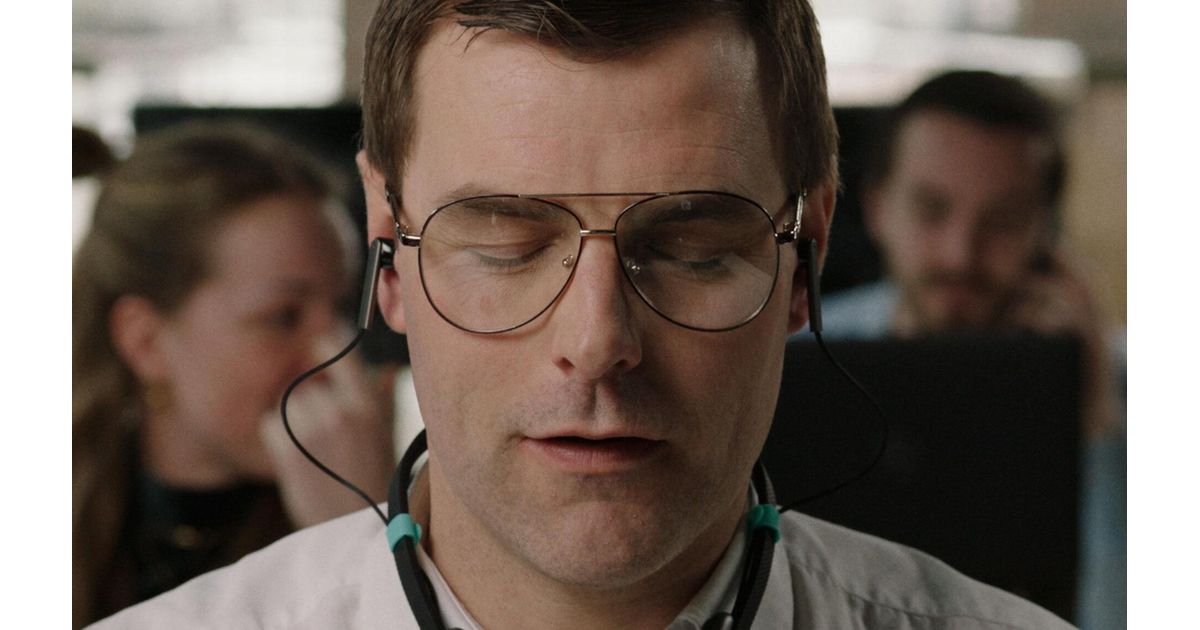
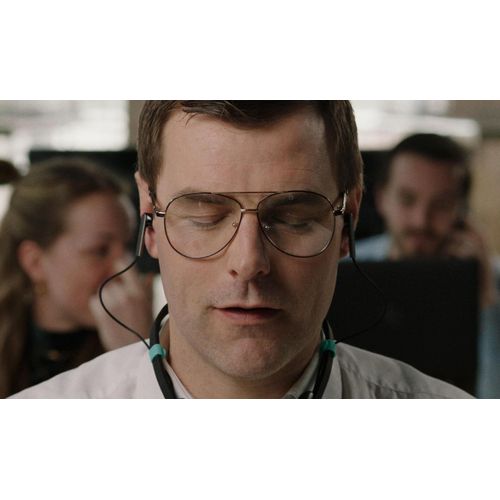
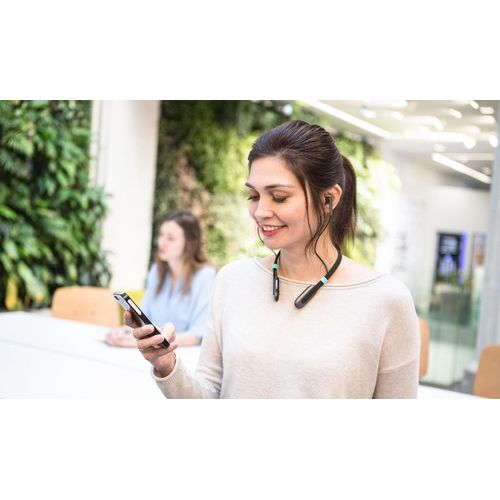
The Tilde Air Premium is a headset intended for workers in open workspaces and offices.
This allows you to adapt ambient sounds in an adaptable manner and to communicate sound-free and / or to work concentrated.
In a loud office environment there is max 60-65 dB sound. This is approximately 45dB for a meeting or conversations on the work floor. The Tilde Air can reduce this noise to a maximum of 30 dB. You will still hear colleagues talking in the background, but a reduction of 30dB is more than enough to focus (again).
How does this technology work? Active noise canceling (ANC) technology: Sound is a wave. ANC sends the opposite signal to your brain, making your brain think there is no (less) sound.
Headphones with active noise canceling are headphones that reduce unwanted ambient noise. This differs from passive headphones, which, when they reduce ambient noise at all, use techniques such as sound isolation.
To cancel the lower frequencies of noise, noise-canceling headphones use active noise canceling. They include a microphone that measures the ambient noise, generates a waveform that is exactly the negative of the ambient noise and mixes it with any audio signal the listener desires. Noise Canceling Headphones specify the amount of noise they can cancel in terms of decibels.
This allows you to adapt ambient sounds in an adaptable manner and to communicate sound-free and / or to work concentrated.
In a loud office environment there is max 60-65 dB sound. This is approximately 45dB for a meeting or conversations on the work floor. The Tilde Air can reduce this noise to a maximum of 30 dB. You will still hear colleagues talking in the background, but a reduction of 30dB is more than enough to focus (again).
How does this technology work? Active noise canceling (ANC) technology: Sound is a wave. ANC sends the opposite signal to your brain, making your brain think there is no (less) sound.
Headphones with active noise canceling are headphones that reduce unwanted ambient noise. This differs from passive headphones, which, when they reduce ambient noise at all, use techniques such as sound isolation.
To cancel the lower frequencies of noise, noise-canceling headphones use active noise canceling. They include a microphone that measures the ambient noise, generates a waveform that is exactly the negative of the ambient noise and mixes it with any audio signal the listener desires. Noise Canceling Headphones specify the amount of noise they can cancel in terms of decibels.