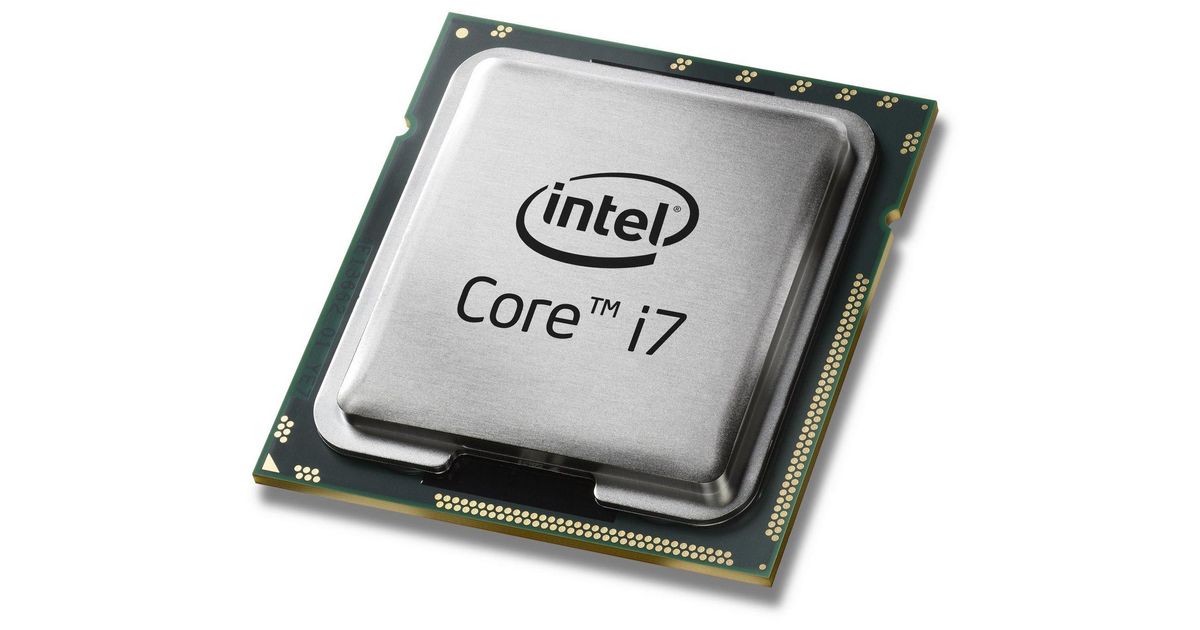
For illustrative purpose only
HP Intel Core i7-3920XM processor 2.9 GHz 8 MB L3
HP Intel Core i7-3920XM, Intel® Core™ i7 X-series Extreme Edition, PGA988, 22 nm, Intel, i7-3920XM, 2.9 GHz
Read more...
Read more...
Product Information
| Information | |
|---|---|
| Manufacturer | HP |
| Product code | 228166268 |
| Manufacturer part number | 691351-001 |
| Category | Protsessorid |
| Processor | |
|---|---|
| Processor family | Intel® Core™ i7 X-series Extreme Edition |
| Processor cores | 4 |
| Processor socket | PGA988 |
| Processor lithography | 22 nm |
| Box | N |
| Processor manufacturer | Intel |
| Processor model | i7-3920XM |
| Processor base frequency | 2.9 GHz |
| Processor operating modes | 64-bit |
| Processor generation | 3rd gen Intel® Core™ i7 |
| Processor threads | 8 |
| System bus rate | 5 GT/s |
| Processor boost frequency | 3.8 GHz |
| Processor cache | 8 MB |
| Processor cache type | L3 |
| Thermal Design Power (TDP) | 55 W |
| Stepping | E1 |
| Memory bandwidth supported by processor (max) | 25.6 GB/s |
| Maximum internal memory supported by processor | 32 GB |
| Maximum number of PCI Express lanes | 16 |
| PCI Express slots version | 3.0 |
| PCI Express configurations | 1x16, 2x8, 1x8+2x4 |
| Tjunction | 105 °C |
| Memory | |
|---|---|
| Memory channels | Dual-channel |
| Memory types supported by processor | DDR3-SDRAM, DDR3L-SDRAM |
| Memory clock speeds supported by processor | 1333,1600 MHz |
| ECC | N |
| Graphics | |
|---|---|
| On-board graphics adapter | Y |
| On-board graphics adapter model | Intel® HD Graphics 4000 |
| On-board graphics adapter base frequency | 650 MHz |
| On-board graphics adapter dynamic frequency (max) | 1300 MHz |
| Number of displays supported (on-board graphics) | 3 |
| Processor special features | |
|---|---|
| Execute Disable Bit | Y |
| Idle States | Y |
| Thermal Monitoring Technologies | Y |
| Supported instruction sets | AVX |
| Embedded options available | N |
| Intel® Anti-Theft Technology (Intel® AT) | Y |
| Intel® Hyper Threading Technology (Intel® HT Technology) | Y |
| Intel® Identity Protection Technology (Intel® IPT) | Y |
| Intel® My WiFi Technology (Intel® MWT) | Y |
| Intel® Turbo Boost Technology | 2.0 |
| Intel Fast Memory Access | Y |
| Intel Flex Memory Access | Y |
| Enhanced Intel SpeedStep Technology | Y |
| Intel Trusted Execution Technology | Y |
| Intel Demand Based Switching | N |
| Intel Virtualization Technology (VT-x) | Y |
| Intel Virtualization Technology for Directed I/O (VT-d) | Y |
| Intel® vPro™ Platform Eligibility | Y |
| Intel® Virtualization Technology (Intel® VT) | VT-d, VT-x |
| Features | |
|---|---|
| Integrated 4G WiMAX | Y |
| Scalability | 1S |
Product Description
Hyper-Threading Technology (HT Technology)
Today's Intel® Hyper-Threading Technology (Intel® HT Technology) delivers thread-level parallelism on each processor resulting in more efficient use of processor resources—higher processing throughput—and improved performance on the multi-threaded software of today and tomorrow.
Intel® Virtualization Technology (Intel® VT)
Increasing manageability, security, and flexibility in IT environments, virtualization technologies like hardware-assisted Intel® Virtualization Technology (Intel® VT) combined with software-based virtualization solutions provide maximum system utilization by consolidating multiple environments into a single server or PC. By abstracting the software away from the underlying hardware, a world of new usage models opens up that reduce costs, increase management efficiency, strengthen security, while making your computing infrastructure more resilient in the event of a disaster.
Intel® Virtualization Technology (Intel® VT) for Directed I/O (Intel® VT-d)
Intel® Virtualization Technology for Directed I/O (VT-d) extends Intel's Virtualization Technology (VT) roadmap by providing hardware assists for virtualization solution. VT-d continues from the existing support for IA-32 (VT-x) and Itanium® processor (VT-i) virtualization adding new support for I/O-device virtualization. Intel VT-d can help end users improve security and reliability of the systems and also improve performance of I/O devices in virtualized environment. These inherently helps IT managers reduce the overall total cost of ownership by reducing potential down time and increasing productive throughput by better utilization of the data center resources.
Intel® Trusted Execution Technology (Intel® TXT)
Intel® Trusted Execution Technology for safer computing is a versatile set of hardware extensions to Intel® processors and chipsets that enhance the digital office platform with security capabilities such as measured launch and protected execution. Intel Trusted Execution Technology provides hardware-based mechanisms that help protect against software-based attacks and protects the confidentiality and integrity of data stored or created on the client PC. It does this by enabling an environment where applications can run within their own space, protected from all other software on the system. These capabilities provide the protection mechanisms, rooted in hardware, that are necessary to provide trust in the application's execution environment. In turn, this can help to protect vital data and processes from being compromised by malicious software running on the platform.
Intel® 64 Architecture
Intel® 64 architecture delivers 64-bit computing on server, workstation, desktop and mobile platforms when combined with supporting software. Intel 64 architecture improves performance by allowing systems to address more than 4 GB of both virtual and physical memory.
Enhanced Intel SpeedStep® Technology
Enhanced Intel SpeedStep® Technology is an advanced means of enabling very high performance while also meeting the power-conservation needs of mobile systems. Conventional Intel SpeedStep Technology switches both voltage and frequency in tandem between high and low levels in response to processor load.
Intel® Fast Memory Access (Intel® FMA)
Intel® Fast Memory Access is an updated Graphics Memory Controller Hub (GMCH) backbone architecture that improves system performance by optimizing the use of available memory bandwidth and reducing the latency of the memory accesses.
Intel® Flex Memory Technology
Facilitates easier upgrades by allowing different memory sizes to be populated and remain in dual-channel mode.
Execute Disable Bit
Execute Disable Bit is a hardware-based security feature that can reduce exposure to viruses and malicious-code attacks and prevent harmful software from executing and propagating on the server or network. Help protect your customers' business assets and reduce the need for costly virus-related repairs by building systems with built-in Intel Execute Disable Bit.
Today's Intel® Hyper-Threading Technology (Intel® HT Technology) delivers thread-level parallelism on each processor resulting in more efficient use of processor resources—higher processing throughput—and improved performance on the multi-threaded software of today and tomorrow.
Intel® Virtualization Technology (Intel® VT)
Increasing manageability, security, and flexibility in IT environments, virtualization technologies like hardware-assisted Intel® Virtualization Technology (Intel® VT) combined with software-based virtualization solutions provide maximum system utilization by consolidating multiple environments into a single server or PC. By abstracting the software away from the underlying hardware, a world of new usage models opens up that reduce costs, increase management efficiency, strengthen security, while making your computing infrastructure more resilient in the event of a disaster.
Intel® Virtualization Technology (Intel® VT) for Directed I/O (Intel® VT-d)
Intel® Virtualization Technology for Directed I/O (VT-d) extends Intel's Virtualization Technology (VT) roadmap by providing hardware assists for virtualization solution. VT-d continues from the existing support for IA-32 (VT-x) and Itanium® processor (VT-i) virtualization adding new support for I/O-device virtualization. Intel VT-d can help end users improve security and reliability of the systems and also improve performance of I/O devices in virtualized environment. These inherently helps IT managers reduce the overall total cost of ownership by reducing potential down time and increasing productive throughput by better utilization of the data center resources.
Intel® Trusted Execution Technology (Intel® TXT)
Intel® Trusted Execution Technology for safer computing is a versatile set of hardware extensions to Intel® processors and chipsets that enhance the digital office platform with security capabilities such as measured launch and protected execution. Intel Trusted Execution Technology provides hardware-based mechanisms that help protect against software-based attacks and protects the confidentiality and integrity of data stored or created on the client PC. It does this by enabling an environment where applications can run within their own space, protected from all other software on the system. These capabilities provide the protection mechanisms, rooted in hardware, that are necessary to provide trust in the application's execution environment. In turn, this can help to protect vital data and processes from being compromised by malicious software running on the platform.
Intel® 64 Architecture
Intel® 64 architecture delivers 64-bit computing on server, workstation, desktop and mobile platforms when combined with supporting software. Intel 64 architecture improves performance by allowing systems to address more than 4 GB of both virtual and physical memory.
Enhanced Intel SpeedStep® Technology
Enhanced Intel SpeedStep® Technology is an advanced means of enabling very high performance while also meeting the power-conservation needs of mobile systems. Conventional Intel SpeedStep Technology switches both voltage and frequency in tandem between high and low levels in response to processor load.
Intel® Fast Memory Access (Intel® FMA)
Intel® Fast Memory Access is an updated Graphics Memory Controller Hub (GMCH) backbone architecture that improves system performance by optimizing the use of available memory bandwidth and reducing the latency of the memory accesses.
Intel® Flex Memory Technology
Facilitates easier upgrades by allowing different memory sizes to be populated and remain in dual-channel mode.
Execute Disable Bit
Execute Disable Bit is a hardware-based security feature that can reduce exposure to viruses and malicious-code attacks and prevent harmful software from executing and propagating on the server or network. Help protect your customers' business assets and reduce the need for costly virus-related repairs by building systems with built-in Intel Execute Disable Bit.