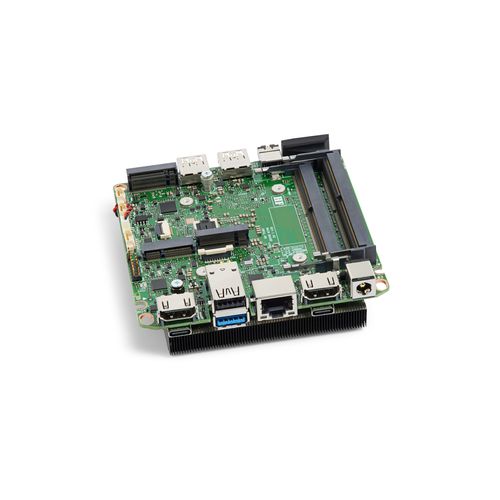
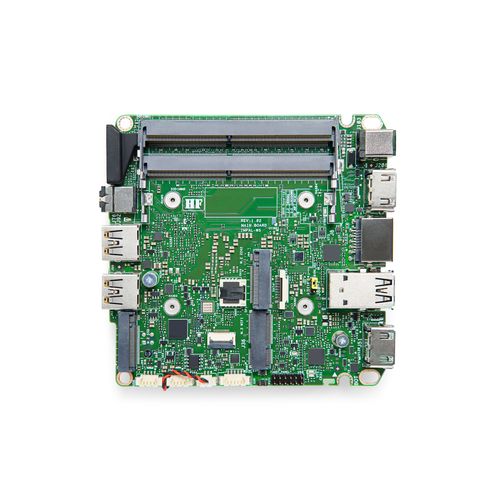
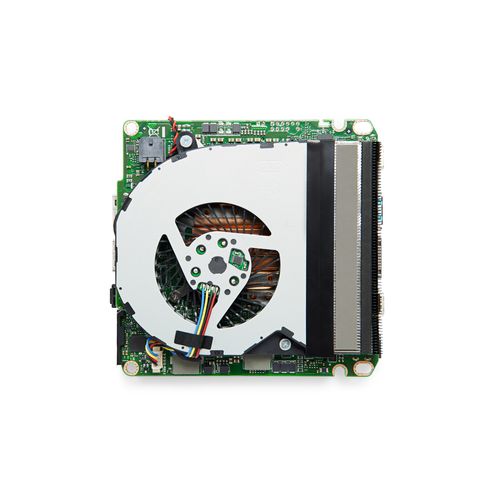
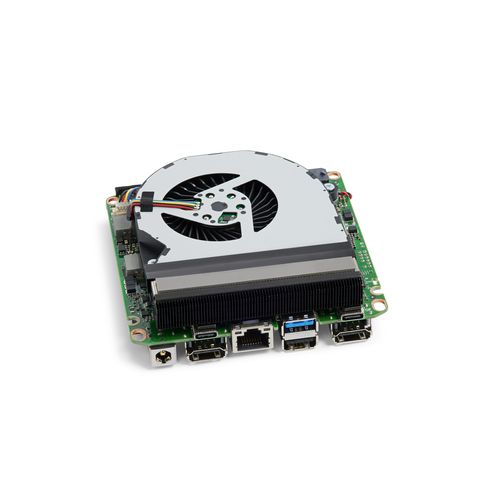
Toote tegelik värvus võib erineda piltidel kujutatavast ning pildid on
illustratiivsed.
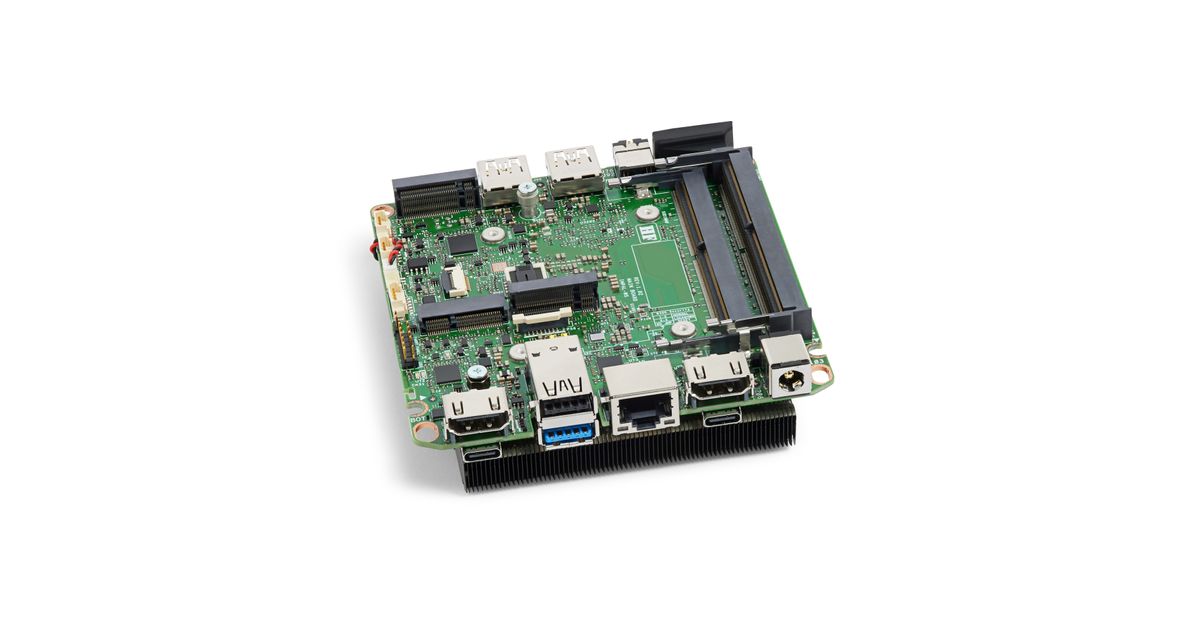
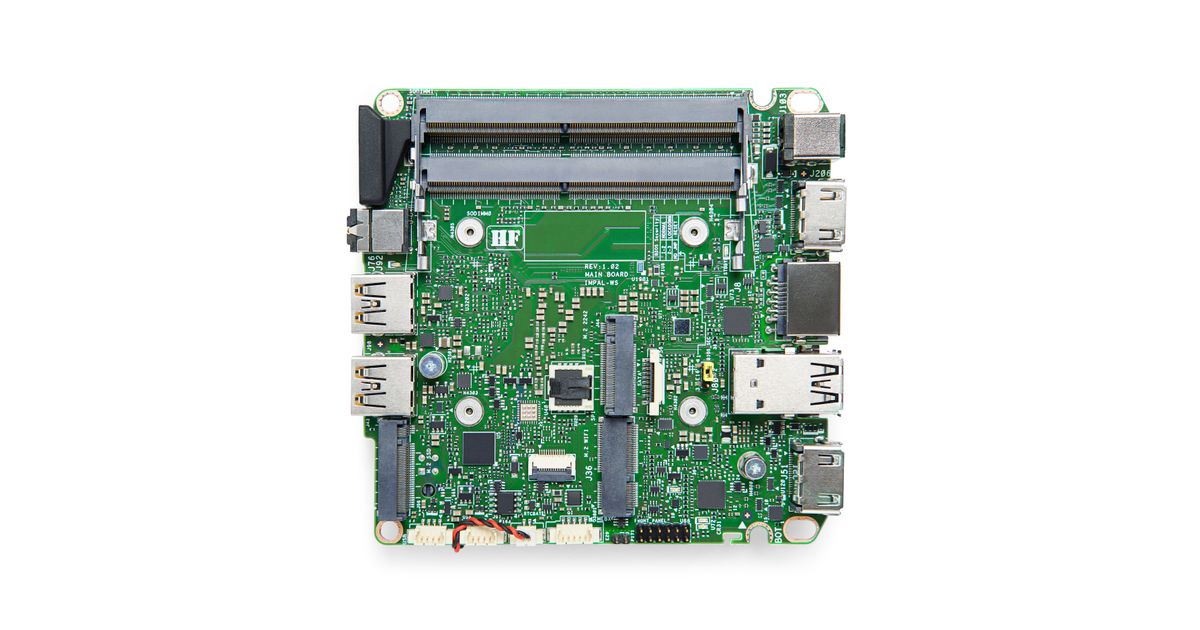
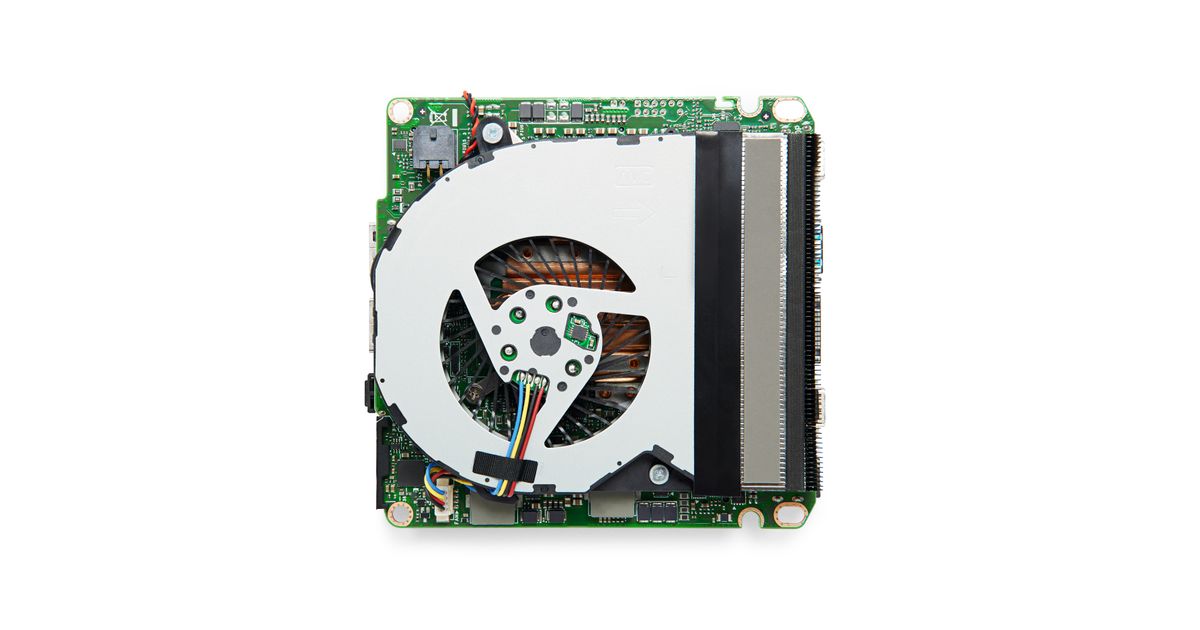
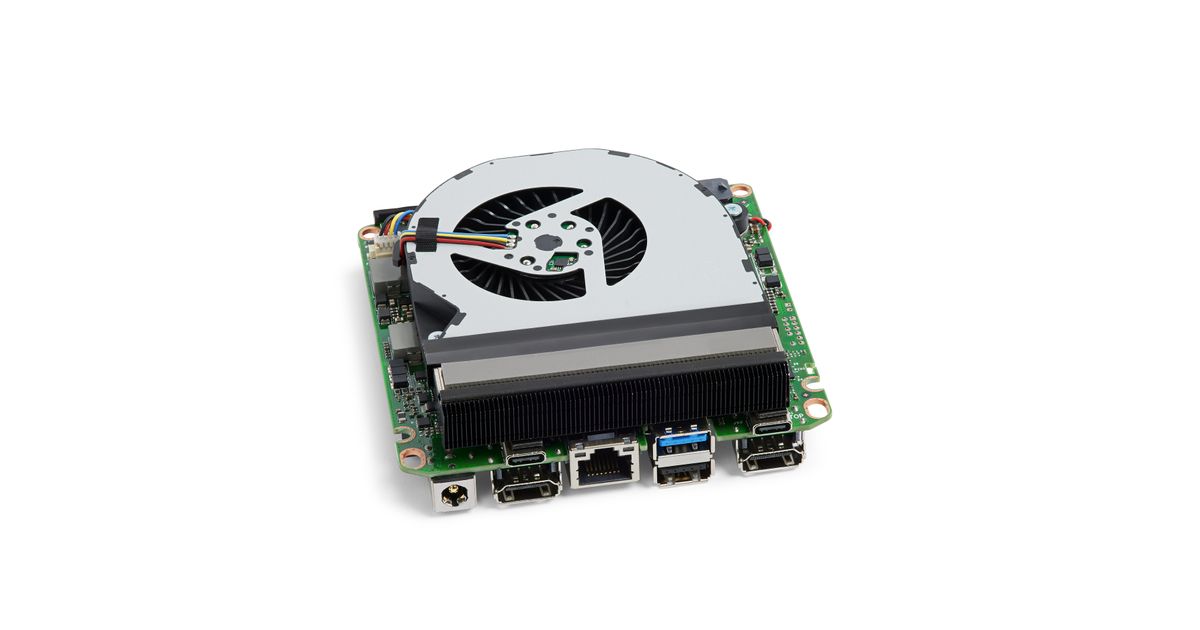
Intel NUC 12 Pro Board NUC12WSBv7 Intel SoC NA (integrated CPU) UCFF
Intel NUC 12 Pro Board NUC12WSBv7, Intel, NA (integrated CPU), Intel® Core™ i7, i7-1270P, 64 GB, DDR4-SDRAM
Read more...
Read more...
Product Information
| Information | |
|---|---|
| Manufacturer | Intel |
| Product code | 229407531 |
| Manufacturer part number | BNUC12WSBV70000 |
| Category | Motherboards |
| Processor | |
|---|---|
| Processor manufacturer | Intel |
| Processor socket | NA (integrated CPU) |
| Processor model | i7-1270P |
| Processor cores | 12 |
| Maximum internal memory supported by processor | 64 GB |
| PCI Express slots version | 4.0 |
| Thermal Design Power (TDP) | 35 W |
| Performance | |
|---|---|
| Compatible processor series | Intel® Core™ i7 |
| OpenGL version | 4.6 |
| DirectX version | 12.1 |
| Power source type | DC |
| Commodity Classification Automated Tracking System (CCATS) | G157815L2 |
| Export Control Classification Number (ECCN) | 5A992C |
| Memory | |
|---|---|
| Supported memory types | DDR4-SDRAM |
| Number of memory slots | 2 |
| Maximum internal memory | 64 GB |
| Memory slots type | SO-DIMM |
| Memory channels | Dual-channel |
| ECC | N |
| Non-ECC | Y |
| Supported memory clock speed (max) | 3200 MHz |
| Features | |
|---|---|
| Memory voltage | 1.2 V |
| Number of storage drives supported | 2 |
| SSD form factor | M.2 |
| USB connector type | USB Type-A |
| Motherboard form factor | UCFF |
| Motherboard chipset family | Intel |
| Motherboard chipset | Intel SoC |
| Linux operating systems supported | Y |
| Trusted Platform Module (TPM) | Y |
| Trusted Platform Module (TPM) version | 2.0 |
| Harmonized System (HS) code | 8471500150 |
| Storage controllers | |
|---|---|
| Supported storage drive interfaces | M.2 |
| Supported storage drive types | SSD |
| Graphics | |
|---|---|
| Parallel processing technology support | Not supported |
| On-board graphics adapter | N |
| Graphics adapter family | Intel |
| Maximum resolution | 7680 x 4320 pixels |
| Discrete graphics support | N |
| On-board graphics adapter model | Intel® UHD Graphics |
| Mounting | |
|---|---|
| Number of displays supported | 4 |
| Internal I/O | |
|---|---|
| USB 2.0 connectors | 2 |
| USB 3.2 Gen 1 (3.1 Gen 1) connectors | 1 |
| Number of SATA III connectors | 1 |
| Total number of SATA connectors | 1 |
| Ports & interfaces | |
|---|---|
| Number of SATA connectors | 1 |
| USB 3.2 Gen 1 (3.1 Gen 1) Type-A ports quantity | 3 |
| Ethernet LAN (RJ-45) ports | 1 |
| HDMI ports quantity | 2 |
| HDMI version | 2.0b |
| DisplayPorts quantity | 1 |
| Thunderbolt ports quantity | 2 |
| Combo headphone/mic port | Y |
| DC-in jack | Y |
| USB ports quantity | 4 |
| M.2 card slot (storage) | 2280 NVMe (M); 2242 SATA (B) |
| M.2 card slot (wireless) | 2230 (E-key) (E) |
| Other features | |
|---|---|
| USB 2.0 ports quantity | 1 |
| Compatible operating systems | Windows 10 IoT Enterprise*|Linux* |
| Number of DIMM slots | 2 |
| Serial port via internal header | N |
| Additional headers | Front_panel (PWR, RST, 5V, 5Vsby, 3.3Vsby); Internal 2x2 power connector |
| Number of M.2 (E) slots | 1 |
| Launch date | Q3'22 |
| Status | Launched |
| Expected discontinuance date | 1H'25 |
| Network | |
|---|---|
| Wi-Fi | N |
| Ethernet LAN | Y |
| Ethernet interface type | 2.5 Gigabit Ethernet |
| LAN controller | Intel I225-LM |
| Design | |
|---|---|
| Component for | mini PC |
| Cooling type | Active |
| Power | |
|---|---|
| DC input voltage | 12 - 20 V |
| Software | |
|---|---|
| Windows operating systems supported | Windows 10, Windows 10 IoT Enterprise, Windows 10 Pro, Windows 11 |
| Expansion slots | |
|---|---|
| Number of M.2 (M) slots | 1 |
| Processor special features | |
|---|---|
| Intel Trusted Execution Technology | Y |
| Intel® AES New Instructions (Intel® AES-NI) | Y |
| Intel® High Definition Audio (Intel® HD Audio) | Y |
| Intel ME Firmware Version | 16 |
| Intel Virtualization Technology (VT-x) | Y |
| Intel Virtualization Technology for Directed I/O (VT-d) | Y |
| Intel® Optane™ Memory Ready | N |
| Embedded options available | N |
| Intel® vPro™ Platform Eligibility | Y |
Product Description
Intel® Trusted Execution Technology
Intel® Trusted Execution Technology for safer computing is a versatile set of hardware extensions to Intel® processors and chipsets that enhance the digital office platform with security capabilities such as measured launch and protected execution. It enables an environment where applications can run within their own space, protected from all other software on the system.
Intel® Virtualization Technology for Directed I/O (VT-d)
Intel® Virtualization Technology for Directed I/O (VT-d) continues from the existing support for IA-32 (VT-x) and Itanium® processor (VT-i) virtualization adding new support for I/O-device virtualization. Intel VT-d can help end users improve security and reliability of the systems and also improve performance of I/O devices in virtualized environments.
Intel® Virtualization Technology (VT-x)
Intel® Virtualization Technology (VT-x) allows one hardware platform to function as multiple “virtual” platforms. It offers improved manageability by limiting downtime and maintaining productivity by isolating computing activities into separate partitions.
Intel® AES New Instructions
Intel® AES New Instructions (Intel® AES-NI) are a set of instructions that enable fast and secure data encryption and decryption. AES-NI are valuable for a wide range of cryptographic applications, for example: applications that perform bulk encryption/decryption, authentication, random number generation, and authenticated encryption.
TPM Version
TPM (Trusted Platform Module) is a component that provides hardware level security upon system boot-up via stored security keys, passwords, encryption and hash functions.
Intel® ME Firmware Version
Intel® Management Engine Firmware (Intel® ME FW) uses built-in platform capabilities and management and security applications to remotely manage networked computing assets out-of-band.
Max Turbo Frequency
Max Turbo Frequency is the maximum single-core frequency at which the processor is capable of operating using Intel® Turbo Boost Technology and, if present, Intel® Turbo Boost Max Technology 3.0 and Intel® Thermal Velocity Boost. Frequency is typically measured in gigahertz (GHz), or billion cycles per second.
Intel vPro® Platform Eligibility
The Intel vPro® platform is a set of hardware and technologies used to build business computing endpoints with premium performance, built-in security, modern manageability and platform stability.
Intel® HD Audio Technology
Intel® High Definition Audio (Intel® HD Audio) is capable of playing back more channels at higher quality than previous integrated audio formats. In addition, Intel® HD Audio has the technology needed to support the latest and greatest audio content.
Integrated Graphics
Integrated graphics allow for incredible visual quality, faster graphic performance and flexible display options without the need for a separate graphics card.
TPM
Trusted Platform Module (TPM) is a component on the desktop board that is specifically designed to enhance platform security above-and-beyond the capabilities of today's software by providing a protected space for key operations and other security critical tasks. Using both hardware and software, the TPM protects encryption and signature keys at their most vulnerable stages - operations when the keys are being used unencrypted in plain-text form.
Intel® Trusted Execution Technology for safer computing is a versatile set of hardware extensions to Intel® processors and chipsets that enhance the digital office platform with security capabilities such as measured launch and protected execution. It enables an environment where applications can run within their own space, protected from all other software on the system.
Intel® Virtualization Technology for Directed I/O (VT-d)
Intel® Virtualization Technology for Directed I/O (VT-d) continues from the existing support for IA-32 (VT-x) and Itanium® processor (VT-i) virtualization adding new support for I/O-device virtualization. Intel VT-d can help end users improve security and reliability of the systems and also improve performance of I/O devices in virtualized environments.
Intel® Virtualization Technology (VT-x)
Intel® Virtualization Technology (VT-x) allows one hardware platform to function as multiple “virtual” platforms. It offers improved manageability by limiting downtime and maintaining productivity by isolating computing activities into separate partitions.
Intel® AES New Instructions
Intel® AES New Instructions (Intel® AES-NI) are a set of instructions that enable fast and secure data encryption and decryption. AES-NI are valuable for a wide range of cryptographic applications, for example: applications that perform bulk encryption/decryption, authentication, random number generation, and authenticated encryption.
TPM Version
TPM (Trusted Platform Module) is a component that provides hardware level security upon system boot-up via stored security keys, passwords, encryption and hash functions.
Intel® ME Firmware Version
Intel® Management Engine Firmware (Intel® ME FW) uses built-in platform capabilities and management and security applications to remotely manage networked computing assets out-of-band.
Max Turbo Frequency
Max Turbo Frequency is the maximum single-core frequency at which the processor is capable of operating using Intel® Turbo Boost Technology and, if present, Intel® Turbo Boost Max Technology 3.0 and Intel® Thermal Velocity Boost. Frequency is typically measured in gigahertz (GHz), or billion cycles per second.
Intel vPro® Platform Eligibility
The Intel vPro® platform is a set of hardware and technologies used to build business computing endpoints with premium performance, built-in security, modern manageability and platform stability.
Intel® HD Audio Technology
Intel® High Definition Audio (Intel® HD Audio) is capable of playing back more channels at higher quality than previous integrated audio formats. In addition, Intel® HD Audio has the technology needed to support the latest and greatest audio content.
Integrated Graphics
Integrated graphics allow for incredible visual quality, faster graphic performance and flexible display options without the need for a separate graphics card.
TPM
Trusted Platform Module (TPM) is a component on the desktop board that is specifically designed to enhance platform security above-and-beyond the capabilities of today's software by providing a protected space for key operations and other security critical tasks. Using both hardware and software, the TPM protects encryption and signature keys at their most vulnerable stages - operations when the keys are being used unencrypted in plain-text form.