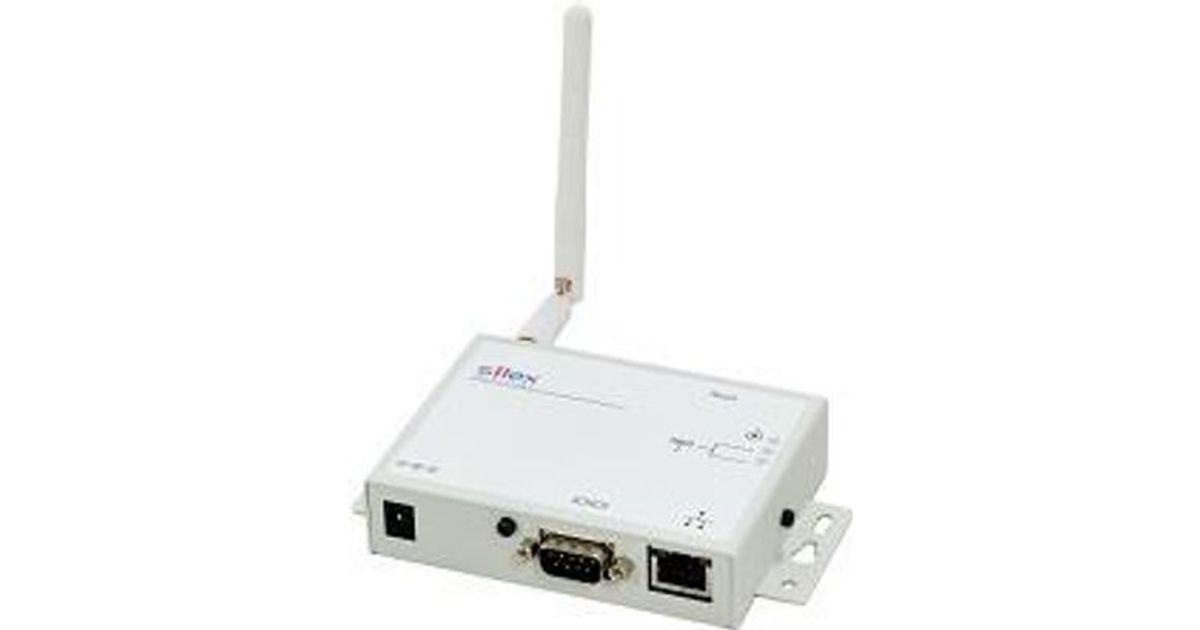
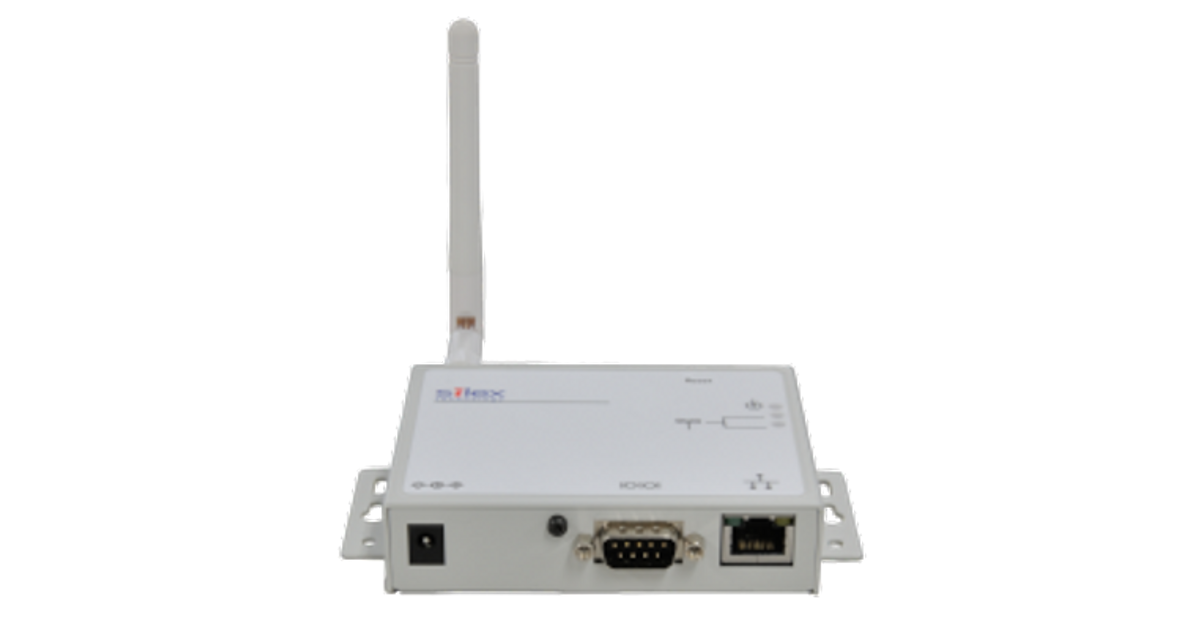
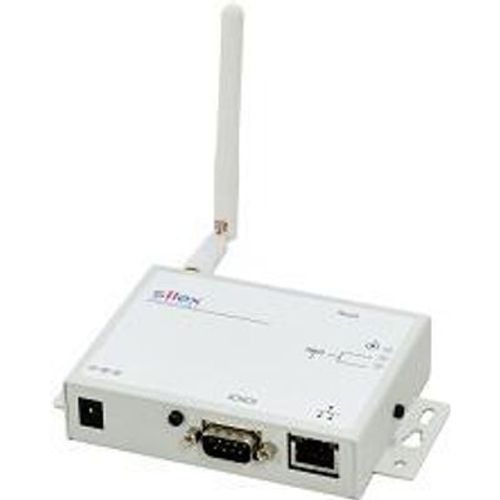
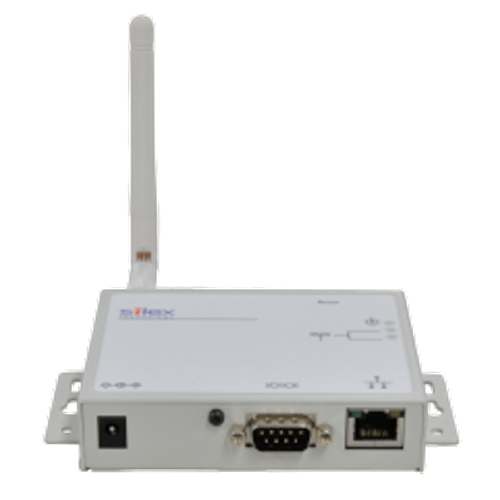
For illustrative purpose only
Silex SD-330AC serial server RS-232C
Silex SD-330AC, 10/100Base-T(X), 5 V, 0.5 A, TCP/IP, EAP-FAST,LEAP,PEAP,SSL/TLS,TTLS,WPA-PSK,WPA2-PSK, Windows 10,Windows 7,Windows 8,Windows 8.1
Read more...
Read more...
Product Information
| Information | |
|---|---|
| Manufacturer | Silex |
| Product code | 16493381 |
| EAN | 04944406005800 |
| Manufacturer part number | E1561 |
Product Description
The SD-330AC serial device server is an ideal choice for connecting your serial devices for industrial automation, building automation and medical devices to a wireless LAN. It supports both Infrastructure Mode or Ad-Hoc Mode, which allows SD-330AC to connect to Wi-Fi networks at offices and factories to allow users to move, or roam, between several access points.
The SX-Virtual Link Software enables you to access the serial device servers from anywhere in the network via WLAN.
The Silex SD-330AC is designed to easily connect and share RS-232c serial devices over a wireless network. Many medical and industrial devices like measuring instruments, PLCs, meters, sensors, industrial displays and label printers that are equipped with the RS-232C serial interface, can now be enabled with secure, robust wireless network capability.
Easily connect and share RS-232C serial devices on wireless networks. This eliminates the need to connect the RS-232C device directly to the computer and is expected to improve the freedom of installation of the device and efficiency by remote maintenance.
The SX-Virtual Link Software enables you to access the serial device servers from anywhere in the network via WLAN.
The Silex SD-330AC is designed to easily connect and share RS-232c serial devices over a wireless network. Many medical and industrial devices like measuring instruments, PLCs, meters, sensors, industrial displays and label printers that are equipped with the RS-232C serial interface, can now be enabled with secure, robust wireless network capability.
Easily connect and share RS-232C serial devices on wireless networks. This eliminates the need to connect the RS-232C device directly to the computer and is expected to improve the freedom of installation of the device and efficiency by remote maintenance.